Overview
You’ve got your first motorcycle. You’re standing next to it in the driveway, helmet in hand, and your heart is racing. Half excitement, half the realization that you don’t actually know what to do next.
Learning how to ride a motorcycle isn’t complicated, but it needs to be done right. This 8-step guide walks you through everything from gearing up to shifting through the gears. No fluff. Just the fundamentals that every rider needs before they touch public asphalt.
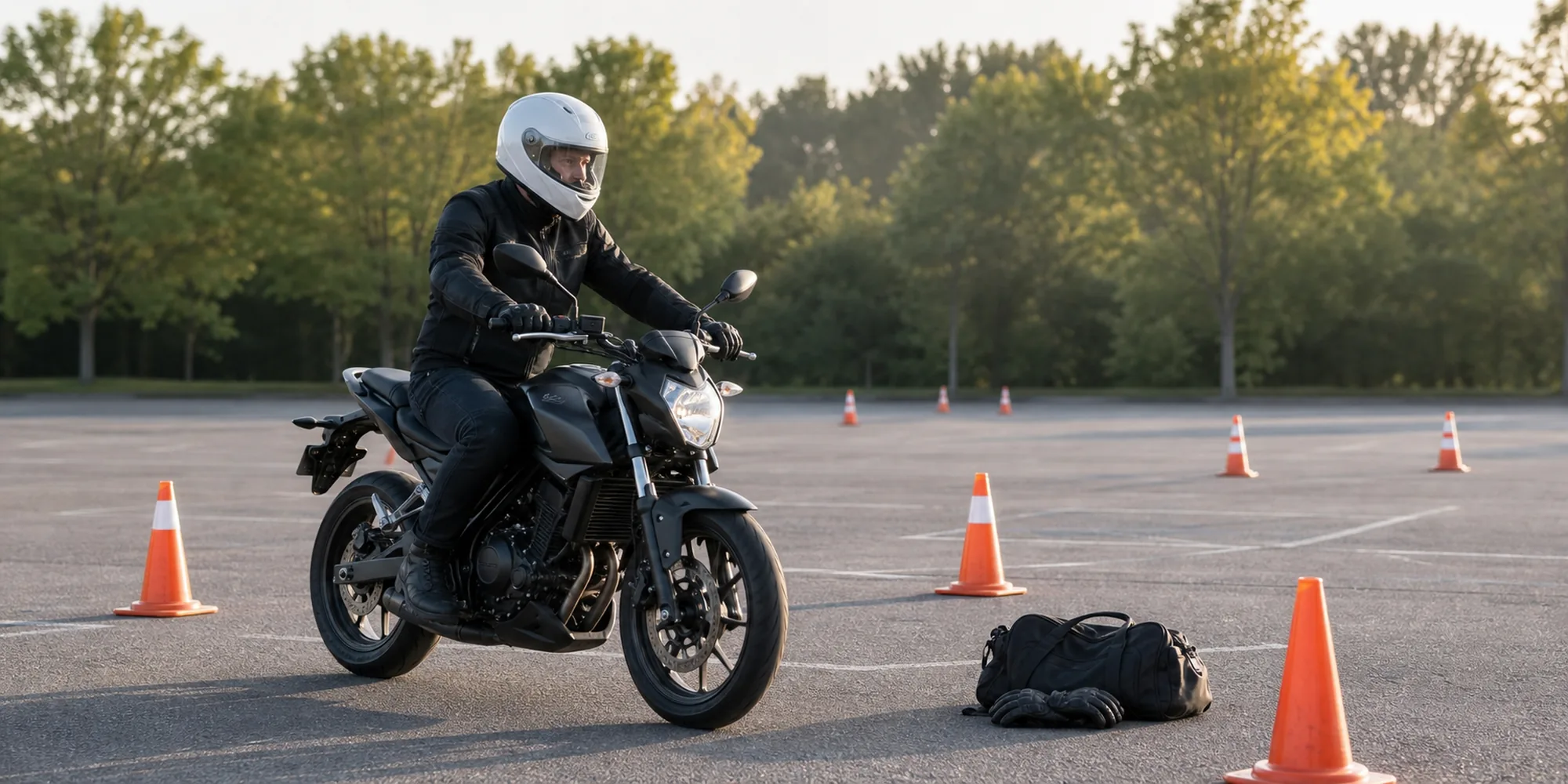
Before you start: Riding is dangerous. Take an MSF course if you can. They provide a bike and expert instruction. If that’s not available, get a rider friend to supervise and find an empty parking lot. Never practice on public roads until you’re licensed and insured.
Before You Get Started
Keep in mind that riding is a very dangerous activity. You need:
- To get your balance first. The best way is by riding a bicycle.
- To take a motorcycle safety course if possible. They provide proper instruction and may even supply a motorcycle if you don’t have one.
- To go over the basics in your head first. Like you’re doing right now by reading this guide.
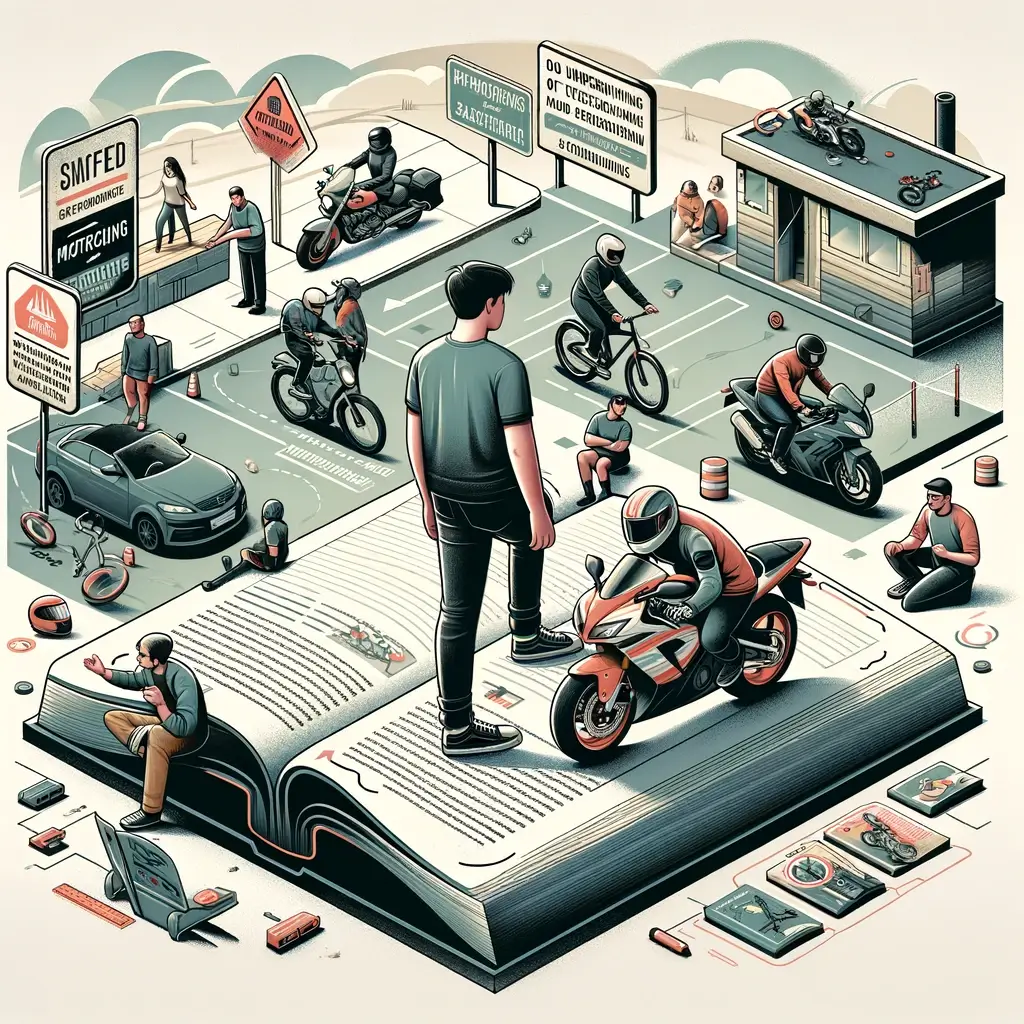
If you don’t want to pay for a training course yet or none is available in your area:
- Get a motorcyclist friend or coach to supervise you during practice.
- Borrow, rent, or buy a motorcycle to learn on.
You should:
- Never underestimate the risks of riding.
- Locate an empty parking lot before getting started.
- Never ride on public roads until you’re licensed and insured.
Step 1. Prepare Your Safety Gear
Even if you’re just practicing in an empty parking lot, wear full safety gear. Every time. No exceptions.

Here are the 5 essential pieces of gear before you get on a motorcycle:
Step 2. Inspect Your Motorcycle
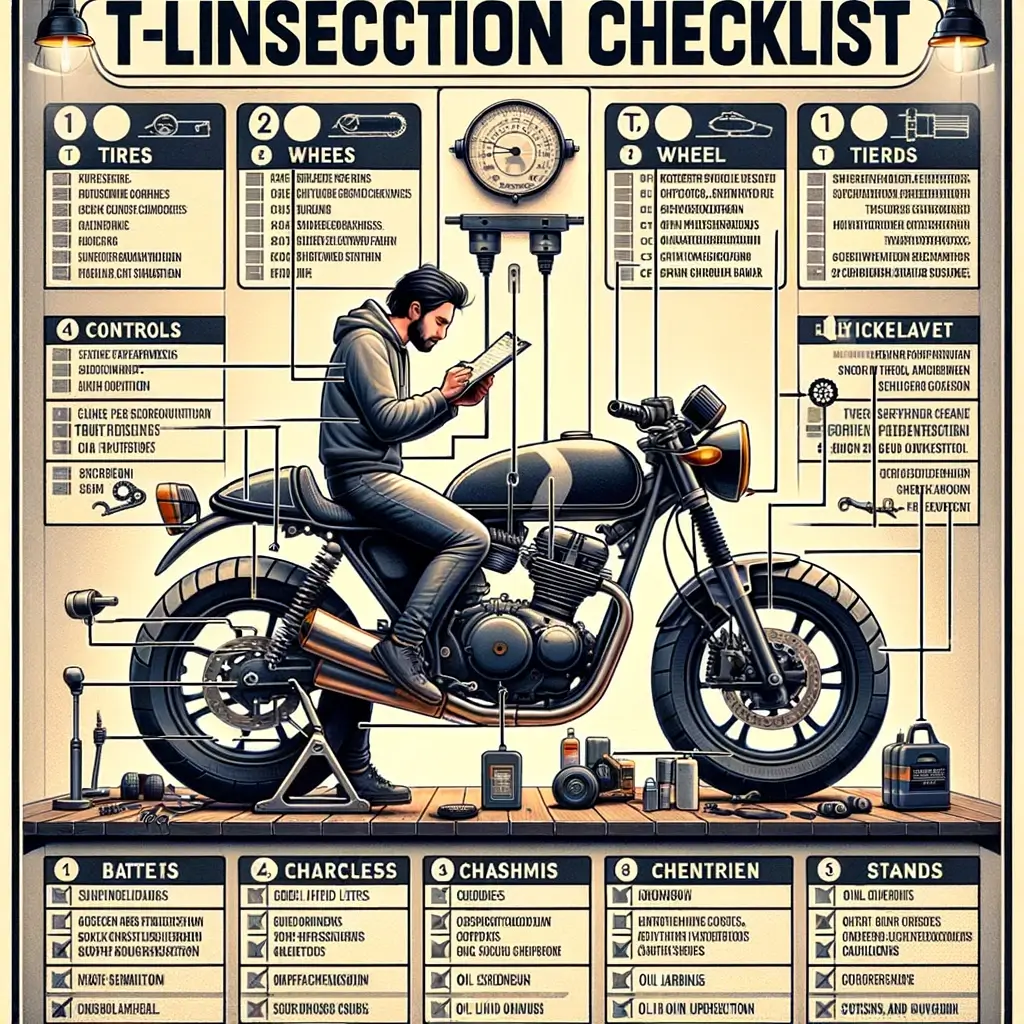
Do a thorough inspection before every ride using the T-CLOCS Inspection Checklist by the Motorcycle Safety Foundation:
- T. Tires and Wheels: Check pressure, tread, and look for cuts.
- C. Controls: Levers, pedal, cables, hoses, and throttle.
- L. Lights: Battery, headlights, turn signals, mirrors.
- O. Oil Fluid Levels: Check oil, brake fluid, and coolant.
- C. Chassis: Frame, suspension, chain tension and lubrication.
- S. Stands: Center stand and kickstand. Both should move freely.
Step 3. Get on the Motorcycle
Geared up and bike inspected. Let’s mount properly:
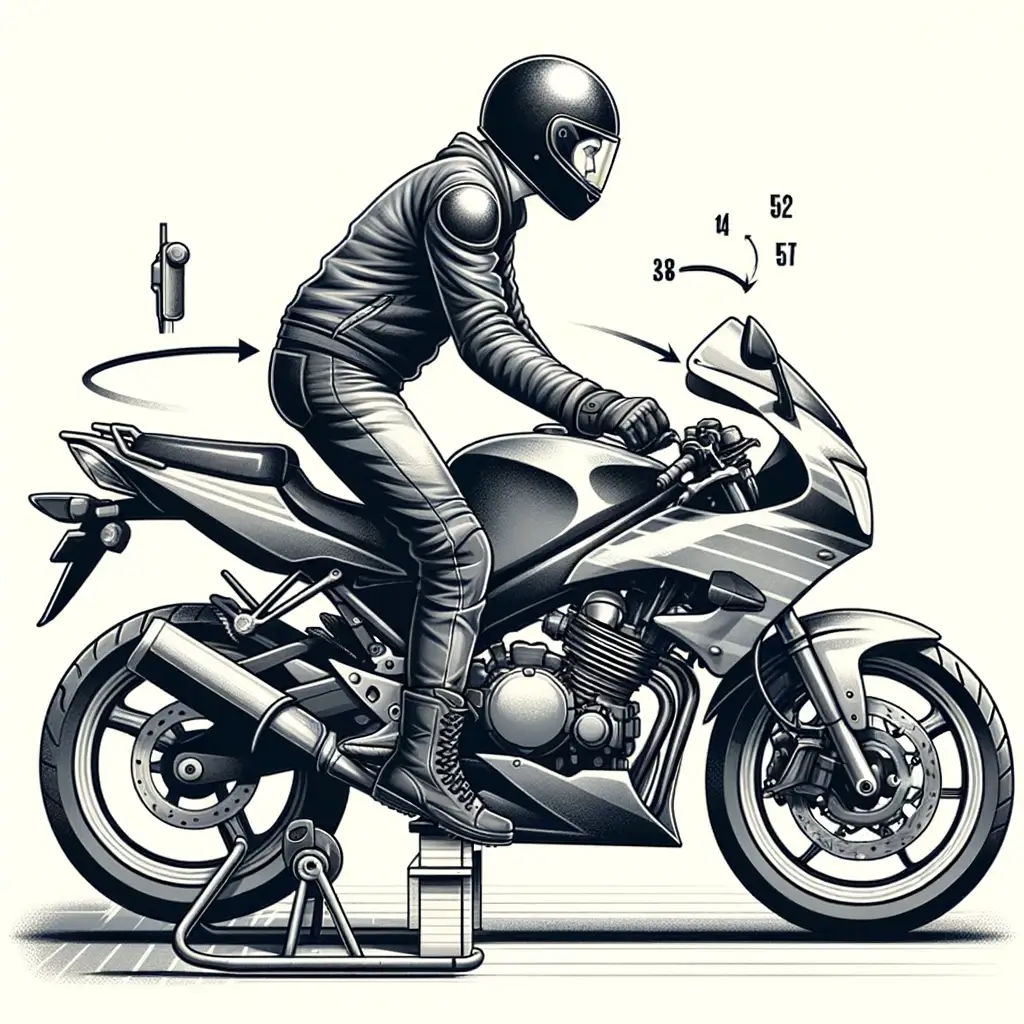
From the left side:
- Stand on the left side of the bike (standard mount side because the kickstand leans left).
- Grab the left handlebar with your left hand.
- Bend your knee, swing your right leg over the seat. Don’t kick the tail.
Settling in:
- Reach over and grab the right handlebar with your right hand. Pro tip: pull the front brake lever toward you to prevent the bike from rolling.
- Put your feet firmly on the ground. Shift your weight onto your right leg.
- Kick the side stand up with your left heel.
Get a feel for the bike:
- Sit down and check your fit. Grip the handlebars, clutch, and brake lever. Can you reach them comfortably?
- Your arms should have a slight bend at the elbows when gripping the handlebars. Switches should be within easy reach.
- Make sure you can plant your feet on the ground. Get a feel for the bike’s weight.
- Adjust your mirrors. You’ll rely on them heavily while riding.
Step 4. Get Familiar with the Controls
You’re on the bike now. Don’t start it yet. Let’s go over the controls first. Your safety depends on knowing these cold.
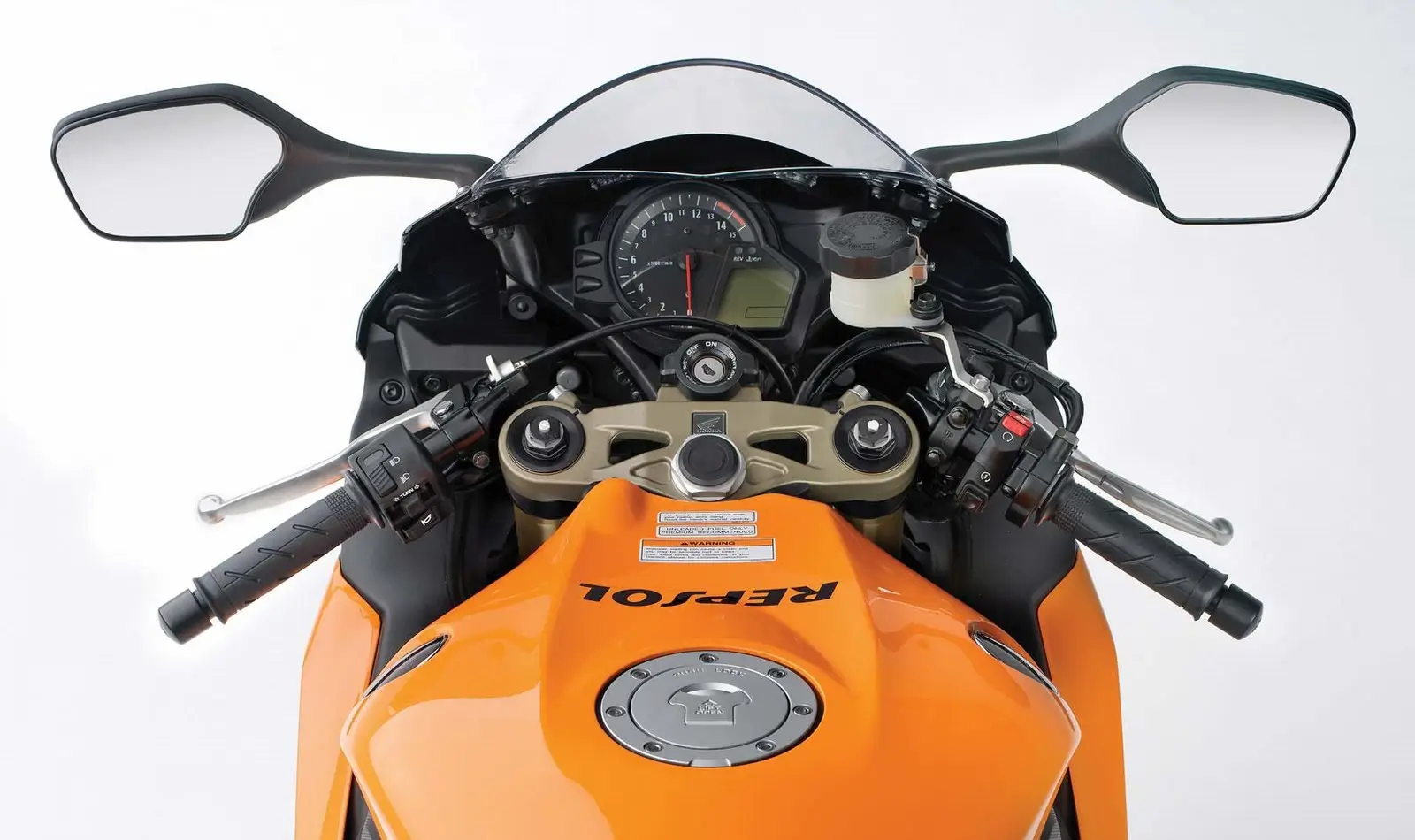
KEEP IN MIND: The left side controls gears. The right side controls acceleration and braking.
Part 1. Left-Hand Side. Gearing Up for the Ride
The clutch is the lever just ahead of the left handlebar. It functions like a clutch pedal in a manual car. Disconnecting engine power from the rear wheel when shifting gears.
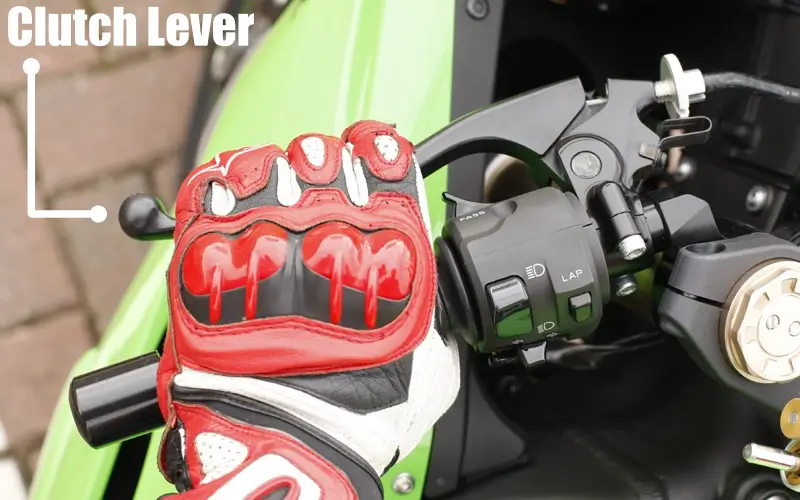
- Disengaged: Fully squeeze the clutch lever to cut power to the rear wheel, even if the shifter is in gear.
- Engaged: Slowly release the clutch to connect the engine and transmission, powering the rear wheel forward.
The friction zone: As you slowly release the clutch, the point where the bike starts to creep forward without any throttle. That’s the friction zone. Mastering this is the single most important beginner skill. Practice pulling and releasing the clutch 20-30 times before adding throttle.
The gear shifter is in front of the left footpeg. It shifts one gear up or down while you’re pulling the clutch lever.
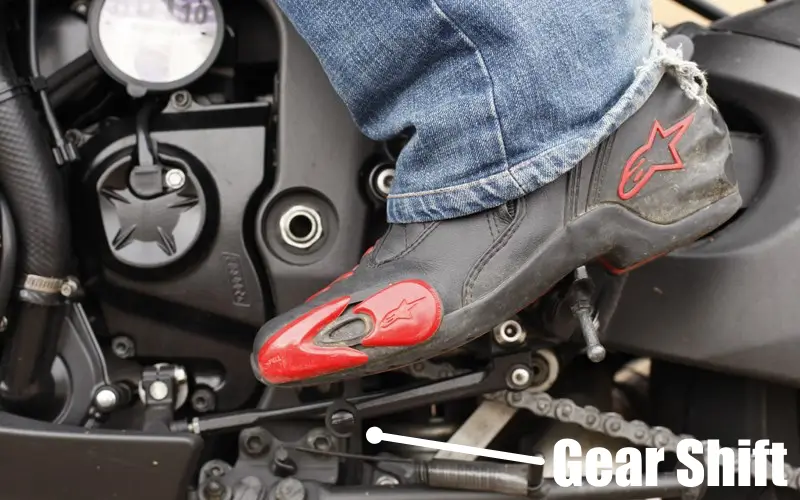
The standard shift pattern: 1 down, neutral (half-click up), 2 up, 3 up, 4 up, 5 up, 6 up.
- Firmly press down for downshift.
- From 1st gear, a gentle half-click up finds neutral (green “N” on your dash).
- Firmly press up for upshift through higher gears.
Make it a habit to use the clutch every time you shift. It takes practice. Click the shifter back and forth while watching for that green “N” on the gauge.
Use your left thumb for these:
- Turn signal switch: Press left for left signal, right for right signal. Press in to cancel.
- Headlight beam switch: Up for high beam, down for low beam.
- Horn button: Self-explanatory. Use it when a car doesn’t see you.
Part 2. Right-Hand Side. Motion and Halt
The throttle is on the right handlebar. It’s your gas pedal.
KEEP IN MIND: A little twist goes a long way. As a beginner, always twist the throttle slowly. Sudden acceleration can lift the front wheel and cause a crash.
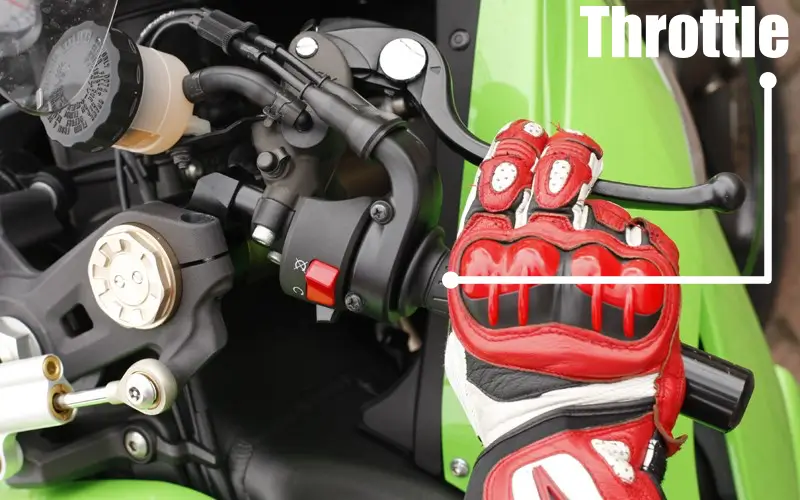
- Roll on: Gradually twist the grip toward you. Engine speed rises, bike accelerates.
- Roll off: Gradually release it back. Engine speed falls, bike decelerates.
Motorcycles have separate front and rear brakes.
1. Front Brake (right-hand lever)
The front brake lever is in front of the throttle. It provides 70% of your stopping power.
KEEP IN MIND: Never grab the front brake suddenly. If you squeeze it too hard, the front wheel locks and the bike goes down. Squeeze progressively. Gradually increase pressure.
2. Rear Brake (right foot pedal)
The rear brake pedal is in front of the right footpeg. It provides 30% of stopping power and stabilizes the bike during stops.
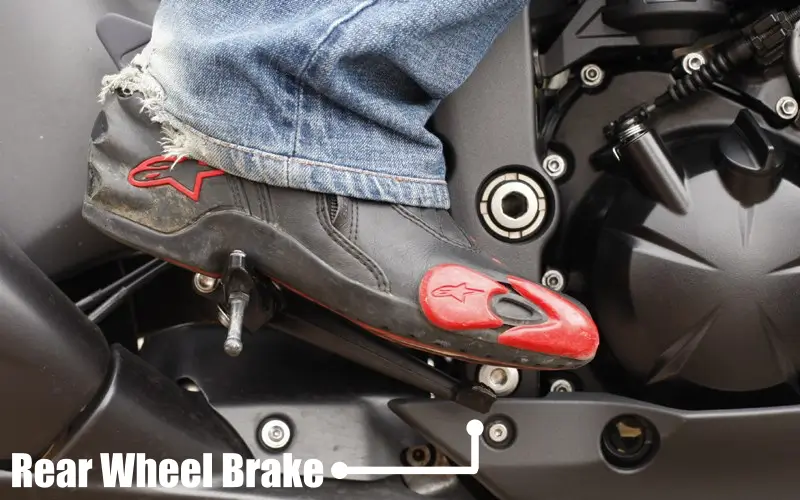
Which brake to use? In most situations, apply the rear brake first to settle the bike, then progressively add front brake. Both together give you the shortest, safest stop.
- Starter button: Under the kill switch. Press to start the engine (with clutch pulled in).
- Kill switch: The red switch on the right handlebar. Shuts off the engine instantly. Make it a habit to use this instead of the key. It’s faster, especially in emergencies.
Step 5. Start to Ride
Time to apply everything you’ve learned. Make sure you’re familiar with all the controls. If not, review the sections above or watch this video:
Part 1. Starting the Motorcycle
Follow these steps in order:
- Kickstand UP. Most modern motorcycles automatically shut off if the kickstand is down when you put the bike in gear.
- Kill switch ON. Flip it down if it’s in the off position. Your bike won’t start otherwise.
- Key to “Ignition” position. Turn the key to ON (usually toward the right). The dash should light up.
- Find neutral. Look for the green “N” on the dash. Pull the clutch in, downshift to 1st, then shift slightly up. Repeat until you find it.
- Press the “Start” button with your right thumb for a few seconds. Release as soon as you hear the engine turn over.
- Warm up the engine for 45-60 seconds. This ensures smooth, consistent power when you begin riding.
Part 2. Mastering the Clutch
1. Understanding the Clutch
The clutch lever (left handlebar) is your primary tool for controlling power to the rear wheel. When fully released, the engine drives the wheels. Pulled in, the engine is disconnected from the transmission. The bike rolls freely regardless of engine speed. This is essential for smooth starts, stops, and as a safety mechanism if you need to cut power instantly.
2. Finding the Friction Zone
Shift into first gear. Very slowly release the clutch lever. Millimeter by millimeter. At some point, you’ll feel the bike start to pull forward even without touching the throttle. That’s the friction zone.
Note: You will stall the bike during practice. It’s normal. Pull the clutch in, restart, and try again. Every rider stalls on day one.
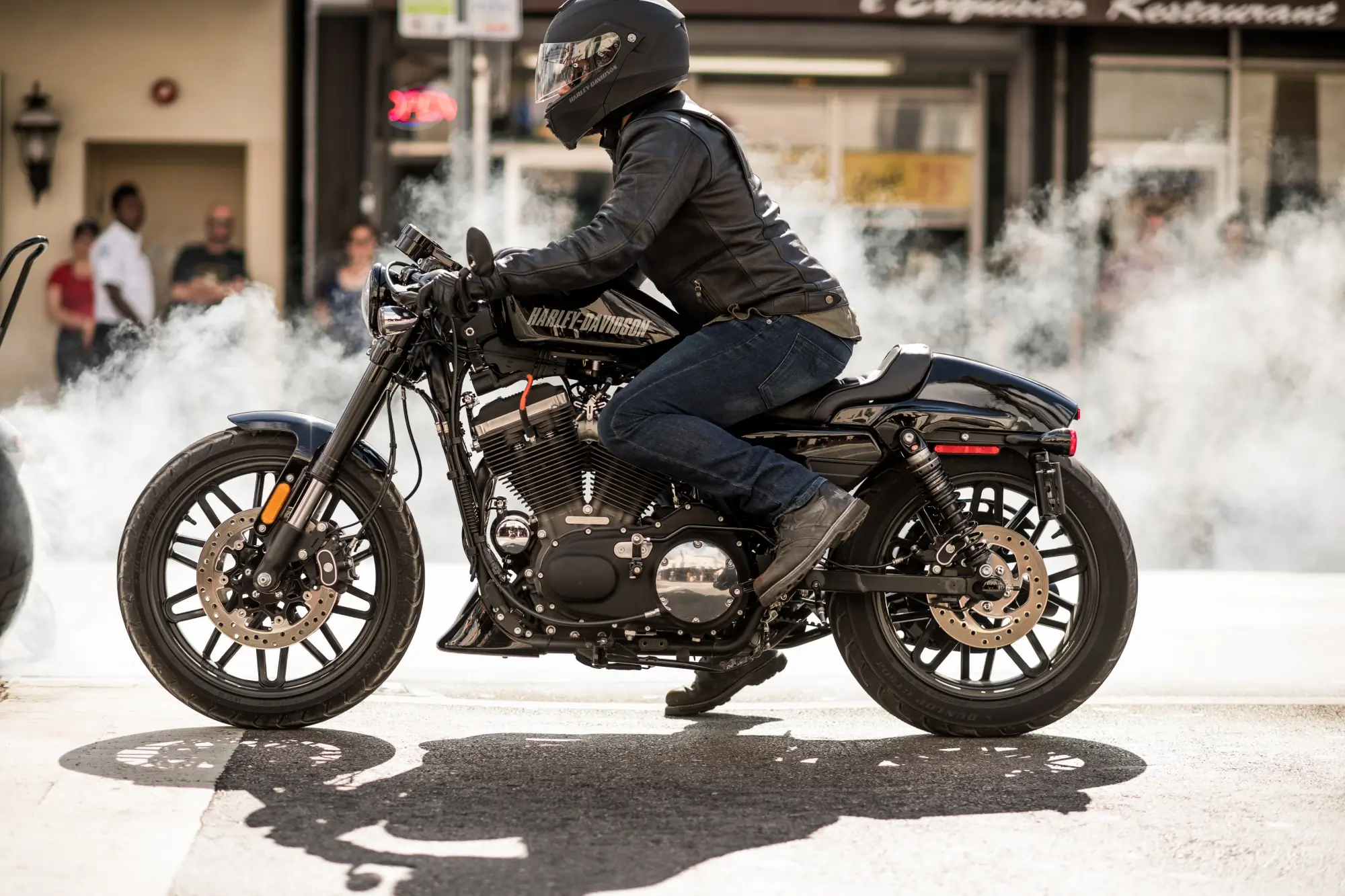
3. Walking the Bike (Clutch Only)
At walking speed, turn the handlebars in the direction you want to go. Practice using only the clutch to move the bike forward:
- Pull the clutch lever in.
- Shift down to first gear.
- Slowly release the clutch until the bike starts to pull itself forward.
- Keep the clutch in that position. You’re walking the motorcycle.
Repeat this until you can keep the bike upright with your feet off the ground. You’re building balance and clutch control simultaneously.
4. Adding Throttle
Now combine clutch release with gentle throttle:
- Find the friction zone (bike starts creeping).
- Add a small twist of throttle while continuing to release the clutch smoothly.
- Once moving, release the clutch completely and roll on more throttle.
- Put your feet on the footpegs and practice straight-line riding.
Step 6. Stop the Motorcycle
Stopping safely is more important than going fast:
- Roll off the throttle. Release the twist grip.
- Pull the clutch in and hold it.
- Apply both brakes progressively. Rear brake first to settle the bike, then front brake with increasing pressure. Never grab the front brake suddenly.
- As you come to a stop, put your left foot down first. Keep your right foot on the rear brake.
- Once fully stopped, put both feet down. Take a break if needed.
Practice drill: Ride 20 feet. Stop smoothly. Repeat 10 times. Then 30 feet. Then 50. Smooth stops are a lifesaving skill.
Step 7. Practice Steering the Motorcycle
At low speeds, turn the handlebars in the direction you want to go. Just like a bicycle. At riding speeds (above 10-15 mph), you’ll use counter-steering: push the right bar to go right, push the left bar to go left. It feels counterintuitive at first but becomes instinct quickly.
Example. Turning right:
- Slow down before the turn by rolling off the throttle and braking if needed.
- As you enter the turn, lean slightly right while pushing the right handgrip forward. Do not brake during the turn.
- Turn your head to look where you want to go. Your bike follows your eyes.
- As you exit the turn, smoothly roll on the throttle to maintain momentum.
- Let the bike right itself naturally. Don’t jerk the handlebars.
Practice drill: Set up two cones (or water bottles) 30 feet apart. Ride figure-eights around them. Start wide, gradually tighten the turns.
Step 8. Practice Shifting Gears
So far you’ve been riding in 1st gear. When the engine sounds high-pitched and loud at speed, it’s time to upshift.
To upshift:
- Roll off the throttle.
- Pull the clutch lever in.
- Firmly press the shifter lever up with your left foot. You should feel it click in.
- Slowly release the clutch while rolling on the throttle simultaneously.
- Repeat for each higher gear.
To downshift:
- Roll off the throttle.
- Apply brakes slightly to slow down.
- Pull the clutch in.
- Press the shifter down one click.
- Smoothly release the clutch.
Rules of thumb: Upshift when the engine sounds stressed (high RPM). Downshift when the engine feels like it’s lugging (low RPM, shuddering). Never downshift to 1st gear unless you’re coming to a complete stop.
Frequently Asked Questions
How long does it take to learn to ride a motorcycle?
With consistent practice, most beginners can ride confidently in a parking lot within 2-3 days (4-6 hours total). Getting road-ready. Including traffic awareness, emergency braking, and cornering. Takes 1-2 weeks. An MSF course compresses this into a weekend.
Can I teach myself to ride?
Yes, but it’s slower and riskier. If you go this route: wear full gear, use an empty parking lot, have a rider friend supervise, and watch instructional videos. The MSF course is strongly recommended. They’ve already figured out what you’re about to learn the hard way.
What’s the best beginner motorcycle?
A 300-500cc bike with an upright riding position. Examples: Honda CBR300R, Kawasaki Ninja 400, Yamaha R3. Avoid 600cc supersports as a first bike. The throttle response is too aggressive. A lighter bike (under 400 lbs) is easier to catch if it tips at a stop.
Conclusion
You’ve now practiced starting, stopping, turning, and shifting. It’s the foundation of every motorcycle journey you’ll take from here.
Remember: learning to ride with skill takes time. Start slowly. Follow the steps. The first few days are the most dangerous. Stay in that parking lot until the controls feel like an extension of your body.
Once you’re comfortable, you’re ready to get your license and hit the road. When you are ready to refresh the bodywork, first learn what motorcycle fairings are, then browse model/year-specific street fairing kits for Honda, Yamaha, Suzuki, Kawasaki, Ducati, BMW, Aprilia, and Triumph. GoMotoTrip standard street kits use virgin ABS and include free custom paint; injection-molded kits use pre-drilled OEM-position mounting points, while compression-molded kits may require minor fitting work. Standard shipping is free to most destinations; remote routes may require a partial charge.