Overview
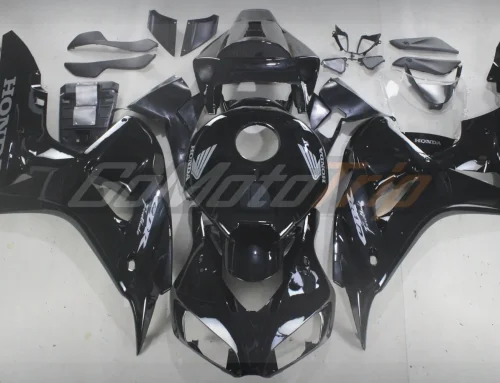
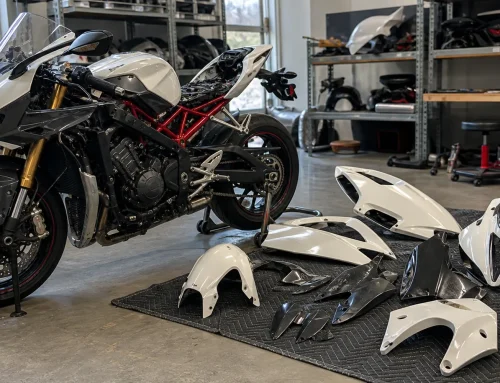
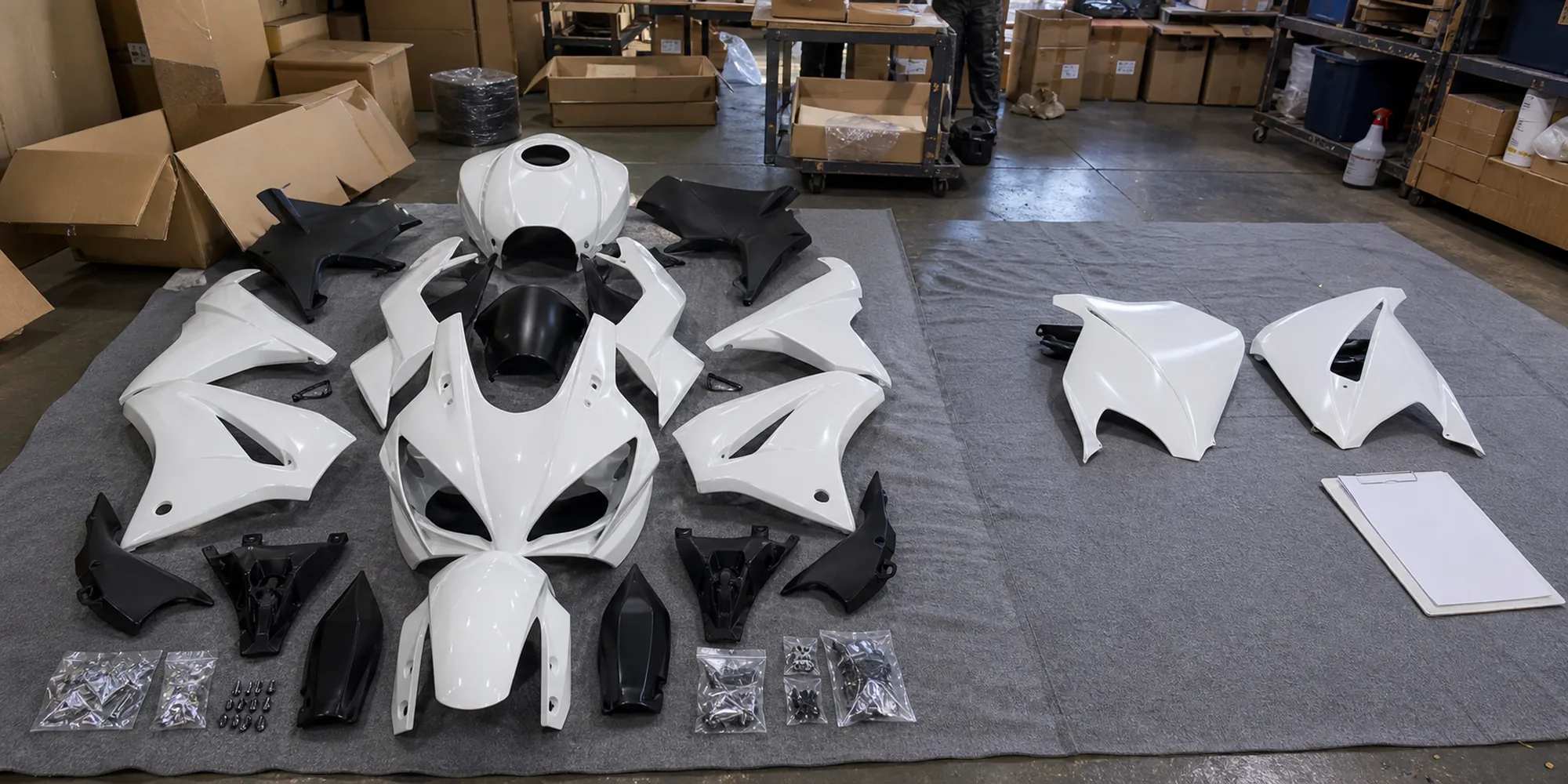
Aftermarket motorcycle fairings are complete replacement bodywork sets made outside the motorcycle brand’s dealer parts system. They can be the practical choice when several OEM panels are damaged, when the original color is no longer required, or when a rider wants a custom-painted full set.
Use this guide to decide whether dealer OEM panels or a complete aftermarket set better matches the repair, originality goal, and budget. Once you choose the replacement route, evaluate the exact seller offer separately.
GoMotoTrip is a factory-direct fairing manufacturer offering virgin ABS street kits made with OEM-grade molds and custom paint for supported models. Use the current motorcycle fairing catalog for model-specific pricing and availability.
Key Takeaways
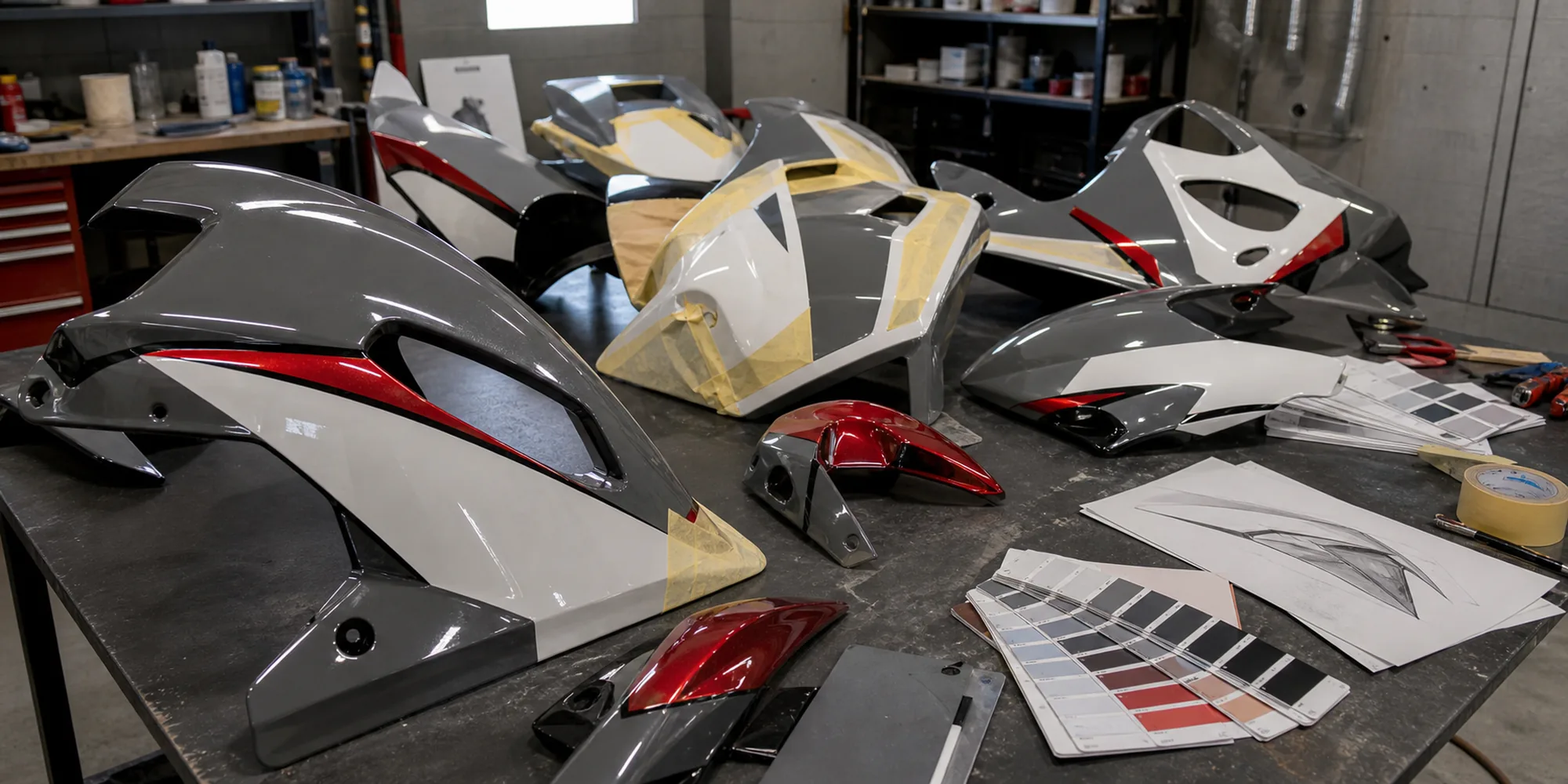
OEM and aftermarket bodywork are sold differently. Dealer OEM parts are usually ordered panel by panel in the original specification. Aftermarket street kits are commonly sold as a multi-panel set, often with paint completed before shipping.
Material labels also need careful reading. Virgin ABS identifies the resin input, but material alone does not prove fitment or finish quality. Mold accuracy, trimming, drilling, paint thickness, packing, and installation all affect the result.
Compare like with like: the exact panels included, paint and decals, windscreen, heat protection, mounting hardware, freight, duties, and support after delivery.
The Real Cost of Replacing Motorcycle Fairings
The most useful cost comparison is based on the exact repair:
- One damaged OEM panel: compare a dealer replacement panel, professional repair and repaint, and any available matching aftermarket panel.
- Several damaged panels: compare the total OEM panel list with a complete painted aftermarket kit.
- Full color change: compare repainting the existing set with a custom-painted replacement set.
Use current written prices. Model, year range, paint design, optional parts, shipping route, tax, duty, and local labor can change the total.
Aftermarket vs OEM Motorcycle Fairings: A Side-by-Side Comparison
| Factor | OEM dealer bodywork | Factory-direct aftermarket kit |
|---|---|---|
| How it is sold | Usually panel by panel | Usually a model-specific multi-panel set |
| Color choice | Factory specification | OEM-inspired or custom design, subject to preview approval |
| Material | Original manufacturer specification | Verify the seller’s stated resin and molding process |
| Fitment check | OEM part number and vehicle specification | Exact make, model, generation, and year range |
| Included items | Depends on each part number | Check the listing for panels, windscreen, heat shield, and optional hardware |
| Price reference | Current dealer quote | Current model-specific product page or written quote |
| Support | Dealer and OEM parts policy | Seller’s published after-sales and returns policies |
Find the Right Fairing Kit for Your Motorcycle
Before comparing sellers, confirm the exact make, model, generation, and year range. Use the main catalog paths for Honda fairings, Yamaha fairings, Suzuki fairings, and Kawasaki fairings, then narrow the selection to the correct model family.
OEM parts preserve the original manufacturer specification. Aftermarket kits provide a different value proposition: a complete set, custom paint, and factory-direct ordering. The seller still needs to document material, mold standard, mounting preparation, included parts, production time, shipping, and support.
Should You Keep the Original OEM Panels?
Keeping the original OEM panels can preserve the option to return the motorcycle to its factory appearance. If storage is practical, clean them, photograph their condition, label every panel and fastener group, protect finished surfaces, and keep them away from heat, moisture, and distortion.
Do not assume this will produce a fixed increase in resale value. Collector interest, originality, panel condition, model demand, and the buyer all affect the outcome.
After Choosing Aftermarket: Verify the Complete Offer
The OEM-versus-aftermarket decision is only the first step. A seller’s complete offer still needs separate checks for included parts, construction, paint scope, evidence, full cost, timing, and support.
Use our motorcycle fairing kit buyer’s guide for those checks. Return to this article when you need to compare dealer panels with a complete aftermarket set.
Frequently Asked Questions
Are Aftermarket Fairings as Good as OEM?
Some aftermarket fairings can be a practical alternative to OEM bodywork, but the label alone does not establish equal quality. OEM panels are the reference for factory specification and originality. Aftermarket kits vary by material, mold accuracy, trimming, drilling, paint, packing, and seller support.
Compare the exact product and use case. OEM may be preferable for a factory restoration or a single matching part. A documented, model-specific aftermarket set may be preferable when several panels are damaged or when a complete custom-painted color change is the goal.
How Much Do Aftermarket Fairings Cost?
Aftermarket fairing prices vary by motorcycle model, year range, design complexity, optional parts, and shipping route. Use the current product page or a written quote rather than a fixed price range from an older article.
For a fair comparison, total the painted panels, windscreen, heat protection, optional hardware, freight, tax or duty, and any local installation cost. A lower listing price is not lower total cost if required parts or support are missing.
Will Aftermarket Fairings Fit My Bike?
Fitment depends on buying the kit made for the exact motorcycle make, model, generation, year range, and relevant variant. Confirm those details before production rather than relying on a similar appearance or a broad model name.
After delivery, inspect the panels and loosely test-fit the complete set before final tightening. Check lights, vents, edges, adjoining panels, mounting holes, grommets, clips, and hardware. Stop and contact the seller if a panel requires force, drilling, or structural alteration that was not disclosed.
Ready to Compare OEM Panels and Aftermarket Sets?
Use a current dealer quote when pricing the OEM panels needed for the repair. If a complete aftermarket set is the better route, browse the motorcycle fairing catalog and use the fairing kit buyer’s guide to evaluate the exact offer before ordering.