You dropped your bike in the parking lot. The fairing cracked. You called the dealer. Quote: $1,200 for a replacement set, plus labor. Then a riding buddy mentions aftermarket fairings and your first question is: what are motorcycle fairings, and does it really matter which kind I buy?
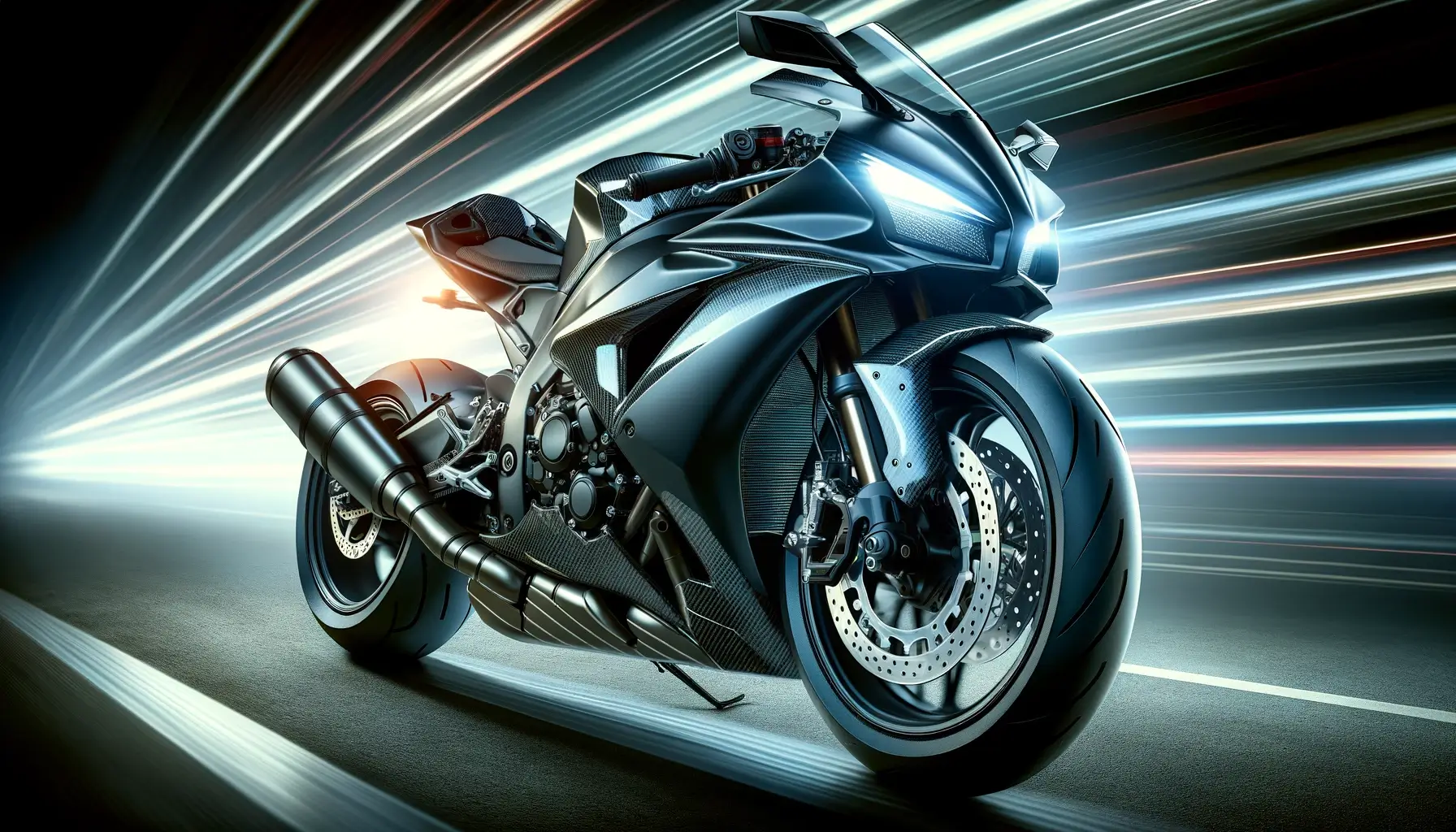
Here is the short answer: a motorcycle fairing is the outer shell that wraps around your bike frame, headlight, and sides. But it is not just a plastic cover. A good fairing cuts wind resistance by up to 15%, protects your engine from road debris, and defines your entire bike look. A bad one cracks on the first ride, rattles at highway speed, and never matches your tank.
Key Takeaways
A motorcycle fairing is the outer body shell that wraps around your bike frame, headlight, and engine area. Full fairings offer the most wind protection. Half and quarter fairings are lighter and more common on naked bikes.
Fairings come in three materials: ABS plastic (street, flexible), fiberglass (track, stiff), and carbon fiber (race, expensive). The quality difference between virgin and recycled ABS is the single biggest factor in fitment and durability.
OEM fairings cost $800 to $1,200. Budget aftermarket kits at $150 to $300 use recycled ABS. Quality aftermarket kits like GoMotoTrip cost $600 to $800 and use virgin ABS from OEM molds, with free custom paint.
Race fairings are a separate category: fiberglass, unpainted white gel-coat, undrilled, and require prep work before painting or track use.
What Are Motorcycle Fairings, Exactly?
A motorcycle fairing is a specially designed shell placed over the motorcycle frame. It originated in racing. Engineers realized that wrapping the bike in an aerodynamic shell reduced drag, increased top speed, and protected the rider from wind blast at highway speeds.
Today, fairings serve three functions on every sportbike and touring motorcycle:
Aerodynamics: Reduces air drag by streamlining the bike front profile. At highway speeds, a full fairing can cut wind resistance by 10 to 15 percent, which means less fuel consumption and a more stable ride.
Protection: Shields the engine, radiator, and electrical components from road debris, rocks, and weather. It also protects the rider from wind fatigue on long rides.
Aesthetics: This is the real reason most riders replace fairings. The fairing is the largest visible surface on your bike. A scratched, cracked, or mismatched fairing makes the entire motorcycle look neglected. A fresh, well-fitted set transforms the bike completely.
Types of Motorcycle Fairings
Full Fairing: Covers the entire front of the motorcycle, including the upper cowl, side panels, and lower belly pan. Found on supersport and sport-touring bikes like the CBR600RR, YZF-R1, and GSX-R1000. Provides maximum wind protection and aerodynamics.
Half Fairing: Covers only the upper front area, including the headlight, windscreen, and upper sides. The engine and lower frame are exposed. Common on naked bikes and streetfighters like the SV650 or MT-07. Offers moderate wind protection with a lighter, more aggressive look.
Quarter Fairing: A minimal shell around the headlight and instrument cluster. Found on cafe racers and retro bikes. Provides minimal wind protection, mostly cosmetic.
Belly Pan: Covers only the lower engine area. Common on naked bikes and some track setups. Keeps debris off the oil pan and exhaust headers.
Race Fairing: Full-coverage bodywork designed for the track. Usually made of fiberglass rather than ABS. Unpainted white gel-coat finish. It is not pre-drilled, so you drill mounting holes for your specific clip-ons and rearsets. Includes an oil-containment belly pan required by most track day organizations.
Fairing Materials: ABS vs. Fiberglass vs. Carbon Fiber
ABS Plastic: The standard for street fairings. Flexible, impact-resistant, and can be injection-molded with high precision. The key differentiator is whether it is virgin ABS (never recycled, consistent quality) or recycled ABS (mixed batches, brittle, unpredictable fit). All GoMotoTrip street kits use 100% virgin ABS.
Fiberglass: Lighter and stiffer than ABS. The standard for race bodywork. Hand-laid construction, often reinforced with Kevlar or carbon at mounting points. Less flexible than ABS, and designed to flex rather than shatter on impact. Typically arrives in white gel-coat, unpainted and undrilled.
Carbon Fiber: Lightest option. Expensive. Used primarily in high-end race applications. Not typically used for aftermarket street fairings due to cost and complexity of manufacturing.
Why Virgin ABS Matters
This is the part most riders do not think about until their fairings fail.
Virgin ABS is plastic made from new, never-used resin pellets. Recycled ABS is made from ground-up old plastics, including old fairings, bottle caps, and car parts. The difference in your garage:
Virgin ABS: Consistent thickness across every panel. Tabs and mounting points are strong and precise. Heat resistance matches OEM spec. UV-stable, will not fade or yellow in sunlight.
Recycled ABS: Thickness varies across panels. Tabs snap during installation. Warps when parked in direct sun. Color shifts from black to gray-green within a season. Mounting holes do not align because the material shrinks differently in the mold.
At GoMotoTrip, every fairing kit is injection-molded from 100% virgin ABS. We do not blend, we do not recycle. It costs more, but you only install the fairings once.
OEM vs. Aftermarket Fairings: The Real Numbers
| Factor | OEM (Dealer) | Budget Aftermarket | GoMotoTrip |
|---|---|---|---|
| Price (full set) | $800 to $1,200 | $150 to $300 | $600 to $800 |
| Material | Virgin ABS | Recycled ABS | Virgin ABS |
| Fitment | 100% | 60 to 70% | 99.9% (OEM mold) |
| Custom Paint | Not available | Limited | Free, any design |
| Heat Shield | Included | Often missing | Included free |
| Hardware Kit | Included | Random screws | Color-matched included |
The pattern is simple: OEM is perfect but expensive. Budget aftermarket is cheap but unreliable. GoMotoTrip splits the difference with OEM-quality materials and fitment at 50 to 70 percent less than dealer pricing, plus free custom paint on every order.
How to Choose the Right Fairings for Your Motorcycle
Match your bike model and year. Motorcycle fairings are model-specific and year-specific. A CBR600RR 2007-2008 fairing will NOT fit a CBR600RR 2009-2012. The frame mounting points changed between generations. Always select the exact year range for your bike.
Decide: Street or track. Street fairings are ABS plastic, pre-drilled, and painted. Race fairings are fiberglass, unpainted, and undrilled. Do not buy race bodywork expecting to bolt it on and ride to work. It requires prep work.
Budget for customs fees. All GoMotoTrip kits ship free via China Post Air. Import duties and VAT are the buyer responsibility. A $600 kit to Europe may incur roughly $120 in customs fees depending on your country.
Order a matching windscreen. Every GoMotoTrip kit includes a tinted windscreen. If you want a specific color or iridium finish, mention it in your order notes.
Frequently Asked Questions
What Are Motorcycle Fairings Made Of?
Motorcycle fairings are primarily made from ABS plastic (street use) or fiberglass (race use). High-quality aftermarket fairings use virgin ABS, which is the same grade of plastic used by OEM manufacturers. Cheaper kits use recycled ABS, which is more brittle and has inconsistent fitment.
What Are the Different Types of Motorcycle Fairings?
The main types are full fairing (supersport, covers entire front), half fairing (naked bikes, upper only), quarter fairing (retro/cafe, headlight only), belly pan (lower engine cover), and race fairing (fiberglass track bodywork, unpainted, undrilled).
Do I Need Fairings on My Motorcycle?
Not legally. You can ride without them. But fairings serve three critical functions: they reduce wind fatigue by cutting drag, they protect your engine and radiator from debris, and they define your entire bike appearance. For highway riding and sport riding, a full fairing makes a significant difference in comfort and stability.
How Much Do Motorcycle Fairings Cost?
OEM fairings from a dealer cost $800 to $1,200 for a full set. Budget aftermarket kits range from $150 to $300 but use recycled ABS. Quality aftermarket fairings with virgin ABS and OEM-spec molds, like GoMotoTrip, cost $600 to $800 for a full set and include free custom paint and worldwide shipping.
Are Aftermarket Fairings Worth It?
Yes, when you choose the right manufacturer. A quality aftermarket fairing kit costs 50 to 70 percent less than OEM, offers the same or better material quality, and gives you the option of custom paint that OEM does not provide. The key is choosing one that uses virgin ABS and OEM molds, not recycled plastic and copy molds.
How Long Do Motorcycle Fairings Last?
Quality fairings made from virgin ABS last 5 to 10 years or more with proper care. UV exposure is the main factor. Parking in direct sunlight without a cover accelerates fading. Physical damage from drops or crashes is the most common reason for replacement, not material failure over time.
Ready to Replace or Upgrade Your Fairings?
Browse the full motorcycle fairing collection at the GoMotoTrip store. We cover Honda, Yamaha, Suzuki, Kawasaki, Ducati, BMW, Aprilia, and Triumph with more than 2,000 OEM-spec designs. For track builds, see our race fairings. Free custom paint and worldwide shipping are included on every street fairing order.
ALSO ON GOMOTOTRIP

Overview
You dropped your bike in the parking lot. The fairing cracked. You called the dealer. Quote: ,200 for a replacement set, plus labor. Then a riding buddy mentions aftermarket fairings and your first question is: what are motorcycle fairings, and does it really matter which kind I buy?
Here is the short answer: a motorcycle fairing is the outer shell that wraps around your bike frame, headlight, and sides. But it is not just a plastic cover. A good fairing cuts wind resistance by up to 15%, protects your engine from road debris, and defines your entire bike look. A bad one cracks on the first ride, rattles at highway speed, and never matches your tank.
Key Takeaways
A motorcycle fairing is the outer body shell that wraps around your bike frame, headlight, and engine area. Full fairings offer the most wind protection. Half and quarter fairings are lighter and more common on naked bikes.
Fairings come in three materials: ABS plastic (street, flexible), fiberglass (track, stiff), and carbon fiber (race, expensive). The quality difference between virgin and recycled ABS is the single biggest factor in fitment and durability.
OEM fairings cost $800 to $1,200. Budget aftermarket kits at $150 to $300 use recycled ABS. Quality aftermarket kits like GoMotoTrip cost $600 to $800 and use virgin ABS from OEM molds, with free custom paint.
Race fairings are a separate category: fiberglass, unpainted white gel-coat, undrilled, and require prep work before painting or track use.
What Are Motorcycle Fairings, Exactly?
A motorcycle fairing is a specially designed shell placed over the motorcycle frame. It originated in racing. Engineers realized that wrapping the bike in an aerodynamic shell reduced drag, increased top speed, and protected the rider from wind blast at highway speeds.
Today, fairings serve three functions on every sportbike and touring motorcycle:
Aerodynamics: Reduces air drag by streamlining the bike front profile. At highway speeds, a full fairing can cut wind resistance by 10 to 15 percent, which means less fuel consumption and a more stable ride.
Protection: Shields the engine, radiator, and electrical components from road debris, rocks, and weather. It also protects the rider from wind fatigue on long rides.
Aesthetics: This is the real reason most riders replace fairings. The fairing is the largest visible surface on your bike. A scratched, cracked, or mismatched fairing makes the entire motorcycle look neglected. A fresh, well-fitted set transforms the bike completely.
Types of Motorcycle Fairings
Full Fairing: Covers the entire front of the motorcycle, including the upper cowl, side panels, and lower belly pan. Found on supersport and sport-touring bikes like the CBR600RR, YZF-R1, and GSX-R1000. Provides maximum wind protection and aerodynamics.
Half Fairing: Covers only the upper front area, including the headlight, windscreen, and upper sides. The engine and lower frame are exposed. Common on naked bikes and streetfighters like the SV650 or MT-07. Offers moderate wind protection with a lighter, more aggressive look.
Quarter Fairing: A minimal shell around the headlight and instrument cluster. Found on cafe racers and retro bikes. Provides minimal wind protection, mostly cosmetic.
Belly Pan: Covers only the lower engine area. Common on naked bikes and some track setups. Keeps debris off the oil pan and exhaust headers.
Race Fairing: Full-coverage bodywork designed for the track. Usually made of fiberglass rather than ABS. Unpainted white gel-coat finish. It is not pre-drilled, so you drill mounting holes for your specific clip-ons and rearsets. Includes an oil-containment belly pan required by most track day organizations.
Fairing Materials: ABS vs. Fiberglass vs. Carbon Fiber
ABS Plastic: The standard for street fairings. Flexible, impact-resistant, and can be injection-molded with high precision. The key differentiator is whether it is virgin ABS (never recycled, consistent quality) or recycled ABS (mixed batches, brittle, unpredictable fit). All GoMotoTrip street kits use 100% virgin ABS.
Fiberglass: Lighter and stiffer than ABS. The standard for race bodywork. Hand-laid construction, often reinforced with Kevlar or carbon at mounting points. Less flexible than ABS, and designed to flex rather than shatter on impact. Typically arrives in white gel-coat, unpainted and undrilled.
Carbon Fiber: Lightest option. Expensive. Used primarily in high-end race applications. Not typically used for aftermarket street fairings due to cost and complexity of manufacturing.
Why Virgin ABS Matters
This is the part most riders do not think about until their fairings fail.
Virgin ABS is plastic made from new, never-used resin pellets. Recycled ABS is made from ground-up old plastics, including old fairings, bottle caps, and car parts. The difference in your garage:
Virgin ABS: Consistent thickness across every panel. Tabs and mounting points are strong and precise. Heat resistance matches OEM spec. UV-stable, will not fade or yellow in sunlight.
Recycled ABS: Thickness varies across panels. Tabs snap during installation. Warps when parked in direct sun. Color shifts from black to gray-green within a season. Mounting holes do not align because the material shrinks differently in the mold.
At GoMotoTrip, every fairing kit is injection-molded from 100% virgin ABS. We do not blend, we do not recycle. It costs more, but you only install the fairings once.
OEM vs. Aftermarket Fairings: The Real Numbers
| Factor | OEM (Dealer) | Budget Aftermarket | GoMotoTrip |
|---|---|---|---|
| Price (full set) | $800 to $1,200 | $150 to $300 | $600 to $800 |
| Material | Virgin ABS | Recycled ABS | Virgin ABS |
| Fitment | 100% | 60 to 70% | 99.9% (OEM mold) |
| Custom Paint | Not available | Limited | Free, any design |
| Heat Shield | Included | Often missing | Included free |
| Hardware Kit | Included | Random screws | Color-matched included |
The pattern is simple: OEM is perfect but expensive. Budget aftermarket is cheap but unreliable. GoMotoTrip splits the difference with OEM-quality materials and fitment at 50 to 70 percent less than dealer pricing, plus free custom paint on every order.
How to Choose the Right Fairings for Your Motorcycle
Match your bike model and year. Motorcycle fairings are model-specific and year-specific. A CBR600RR 2007-2008 fairing will NOT fit a CBR600RR 2009-2012. The frame mounting points changed between generations. Always select the exact year range for your bike.
Decide: Street or track. Street fairings are ABS plastic, pre-drilled, and painted. Race fairings are fiberglass, unpainted, and undrilled. Do not buy race bodywork expecting to bolt it on and ride to work. It requires prep work.
Budget for customs fees. All GoMotoTrip kits ship free via China Post Air. Import duties and VAT are the buyer responsibility. A $600 kit to Europe may incur roughly $120 in customs fees depending on your country.
Order a matching windscreen. Every GoMotoTrip kit includes a tinted windscreen. If you want a specific color or iridium finish, mention it in your order notes.
Frequently Asked Questions
What Are Motorcycle Fairings Made Of?
Motorcycle fairings are primarily made from ABS plastic (street use) or fiberglass (race use). High-quality aftermarket fairings use virgin ABS, which is the same grade of plastic used by OEM manufacturers. Cheaper kits use recycled ABS, which is more brittle and has inconsistent fitment.
What Are the Different Types of Motorcycle Fairings?
The main types are full fairing (supersport, covers entire front), half fairing (naked bikes, upper only), quarter fairing (retro/cafe, headlight only), belly pan (lower engine cover), and race fairing (fiberglass track bodywork, unpainted, undrilled).
Do I Need Fairings on My Motorcycle?
Not legally. You can ride without them. But fairings serve three critical functions: they reduce wind fatigue by cutting drag, they protect your engine and radiator from debris, and they define your entire bike appearance. For highway riding and sport riding, a full fairing makes a significant difference in comfort and stability.
How Much Do Motorcycle Fairings Cost?
OEM fairings from a dealer cost $800 to $1,200 for a full set. Budget aftermarket kits range from $150 to $300 but use recycled ABS. Quality aftermarket fairings with virgin ABS and OEM-spec molds, like GoMotoTrip, cost $600 to $800 for a full set and include free custom paint and worldwide shipping.
Are Aftermarket Fairings Worth It?
Yes, when you choose the right manufacturer. A quality aftermarket fairing kit costs 50 to 70 percent less than OEM, offers the same or better material quality, and gives you the option of custom paint that OEM does not provide. The key is choosing one that uses virgin ABS and OEM molds, not recycled plastic and copy molds.
How Long Do Motorcycle Fairings Last?
Quality fairings made from virgin ABS last 5 to 10 years or more with proper care. UV exposure is the main factor. Parking in direct sunlight without a cover accelerates fading. Physical damage from drops or crashes is the most common reason for replacement, not material failure over time.
Ready to Replace or Upgrade Your Fairings?
Browse the full motorcycle fairing collection at the GoMotoTrip store. We cover Honda, Yamaha, Suzuki, Kawasaki, Ducati, BMW, Aprilia, and Triumph with more than 2,000 OEM-spec designs. For track builds, see our race fairings. Free custom paint and worldwide shipping are included on every street fairing order.